
As educators, we are standing on the edge of a transformation—one that has the potential to completely reshape how we think about teaching and learning. The “classroom of tomorrow” is no longer a distant dream; it’s emerging right before our eyes. But as these changes unfold, the biggest question isn’t just about the technology that will fill our classrooms. It’s about how we, as teachers, need to shift our mindsets to embrace what’s coming.
The future of education will be driven by more than just devices and software. It will require a rethinking of pedagogy, student engagement, and even the role of the teacher. This post isn’t just a look at what tools we’ll use tomorrow—it’s a call to action for teachers to begin shifting their approach today.
The Tomorrow Classroom: A Vision in Progress
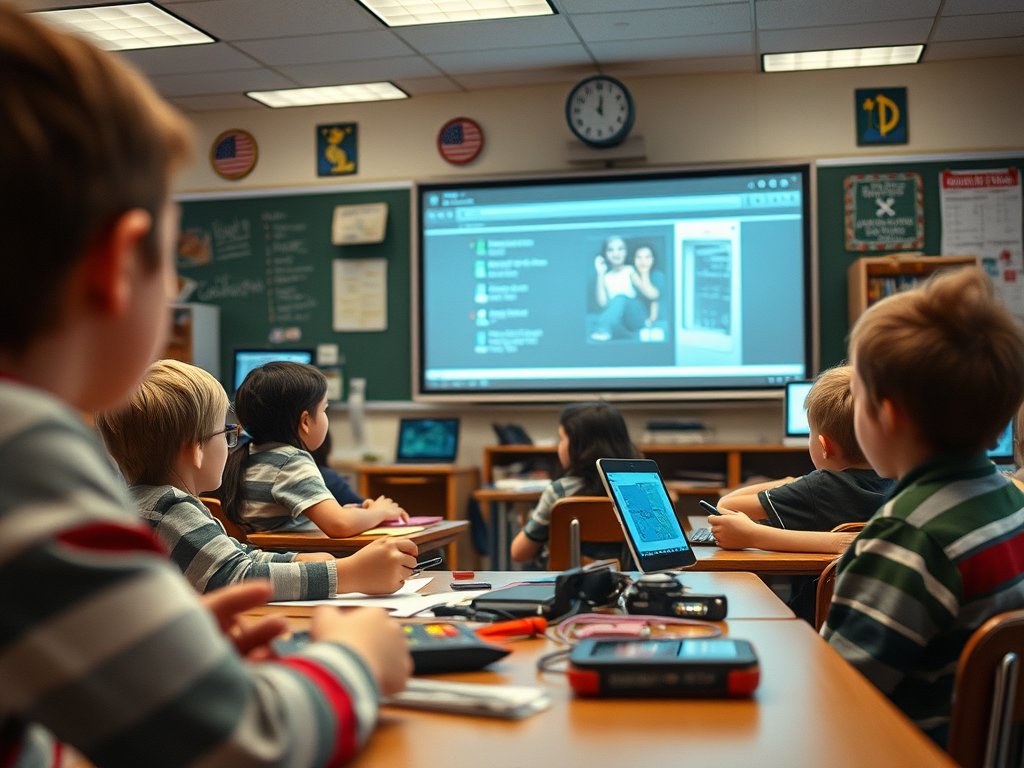
Imagine walking into a classroom where students are co-creating their own learning experiences through personalized, adaptive platforms. Instead of rows of desks, students collaborate in flexible, open spaces, using augmented reality (AR) to explore historical events or build 3D models of complex molecules. Teachers don’t stand at the front of the room lecturing; they move from group to group, guiding students through self-directed projects and real-world problem-solving tasks.
This is the classroom of tomorrow—a place where the traditional one-size-fits-all model is obsolete. Technology will enable us to personalize learning in ways that were once unimaginable, and students will be active participants in their education, rather than passive recipients.
But while this vision may sound exciting, it also presents challenges. How do we get there? And more importantly, how do we as educators prepare ourselves to not just survive but thrive in this new landscape?
Shifting from “Teacher as Knowledge Keeper” to “Teacher as Guide”
For generations, the role of the teacher has been seen as the “keeper of knowledge.” We stood in front of the classroom, delivering information to our students, who were expected to absorb and regurgitate it. But in the classroom of tomorrow, this model no longer works.
The vast ocean of information available at our students’ fingertips means that they no longer need us to be the gatekeepers of knowledge. What they need now—and what they will need even more in the future—is someone to guide them through the complexities of that information.
It’s time to embrace our role as facilitators, mentors, and guides. We need to focus on helping students learn how to think critically, collaborate, and problem-solve. In the classroom of tomorrow, our greatest responsibility will be to teach students how to learn, rather than simply what to learn.
Reflection Point:
As teachers, are we ready to let go of being the primary source of information? Are we comfortable with our students driving their own learning while we take on a more supportive role?
Reimagining Engagement: From Compliance to Curiosity
Let’s be honest: much of today’s classroom structure revolves around compliance. Students complete tasks because they’re required to, not because they’re deeply engaged with the material. But the classroom of tomorrow will prioritize curiosity over compliance. The days of passive learning are numbered.
With the rise of technology that allows for immersive and interactive learning experiences—such as virtual reality (VR) field trips, gamified assessments, and project-based challenges—students will have the opportunity to pursue their interests and passions like never before. It will be our job as educators to foster that curiosity and create environments where students are encouraged to ask big questions, explore bold ideas, and take risks.
But fostering curiosity requires a shift in mindset from both teachers and students. We need to stop measuring success solely by test scores and start valuing creativity, exploration, and critical thinking.
Reflection Point:
How can we begin to shift our classrooms today to focus more on fostering curiosity? What small changes can we make to allow students to take the lead in their learning journeys?
From One-Size-Fits-All to Personalized Learning
In the classroom of tomorrow, the idea that every student should progress through the same material at the same pace will be a relic of the past. Personalized learning, driven by AI and adaptive technologies, will allow students to move at their own pace, explore subjects in greater depth, and receive instant feedback on their progress.
But this doesn’t mean that technology will replace teachers. Instead, it will enhance our ability to meet the needs of every student. We’ll be able to use data to gain deeper insights into how students learn best and provide targeted support where it’s needed most. This shift will require us to embrace technology, not as a substitute for teaching but as a tool for personalization and differentiation.
Reflection Point:
How comfortable are we as educators with using data and technology to inform our teaching practices? What steps can we take today to start incorporating more personalized learning opportunities in our classrooms?
The Teacher of Tomorrow: Adapting to Change Today
The classroom of tomorrow will demand a lot from educators. We’ll need to be adaptable, flexible, and open to change. But more importantly, we’ll need to be learners ourselves. The pace of technological innovation will only continue to accelerate, and staying stagnant simply won’t be an option.
The good news? The tools and resources we need to succeed in this new educational landscape are already at our disposal. But it starts with a shift in mindset—a willingness to embrace new roles, new strategies, and new ways of thinking about education.
The classroom of tomorrow is coming faster than we think. The question is: are we ready to embrace it?
Final Reflection Point:
What changes can you make in your mindset today to prepare for the future? What excites you most about the classroom of tomorrow, and how will you begin to lay the groundwork for it in your current practice?
Embrace the Transformation
As educators, we are not just teaching students for today—we are preparing them for a future we can barely imagine. The classroom of tomorrow is filled with incredible possibilities, but to unlock its full potential, we need to start changing how we think about teaching and learning right now.
This transformation won’t happen overnight, and it won’t be without its challenges. But if we approach it with curiosity, flexibility, and a commitment to growth, we’ll not only survive the changes ahead—we’ll thrive in them.



 EdTech Alchemy