
In a world that’s increasingly driven by technology, it’s easy to get swept up in the excitement of the latest tools and apps. As educators, we’re constantly told that EdTech will revolutionize the way we teach, and in many ways, it already has. But amid all the enthusiasm for innovation, there’s a quiet question that many of us are asking: How do we ensure that we don’t lose the human connection in our classrooms?
I’m Emily Chen, and as someone who loves both philosophy and education, I’m fascinated by the intersection of technology and teaching. While I believe in the power of EdTech to enhance learning, I also believe that we need to be mindful of how we use it. The goal is to enrich the educational experience without losing the elements that make human interactions in the classroom so valuable.
Let’s explore how we can find a balance between embracing technology and preserving meaningful human connections in the classroom.
Start with the Why: What’s the Purpose of the Tech?
Before introducing a new tool into your classroom, it’s important to ask yourself, “What’s the purpose of this technology?” If the answer is simply because it’s new, or because it’s what everyone else is using, it might be worth pausing.
The best EdTech tools should enhance your teaching, not distract from it. Whether you’re using a digital platform to foster collaboration or an app to provide personalized feedback, the technology should be serving a clear educational purpose. If it doesn’t, it runs the risk of becoming a shiny distraction that actually pulls focus away from the students themselves.
Reflection Question:
When was the last time you introduced a tool simply because it seemed popular? How did it impact your students’ learning and engagement?
Use Tech to Foster, Not Replace, Relationships
One of the most common concerns with EdTech is that it will replace human interactions. But in reality, when used thoughtfully, technology can actually strengthen relationships. For example, platforms like ClassDojo can help teachers stay connected with parents and students outside of the classroom, allowing for more consistent communication and feedback. Tools like Google Meet and Zoom have kept relationships intact during remote learning, but they’ve also shown us the limitations of relying too heavily on screens for connection.
The key is to remember that the technology is there to support and enhance your relationships, not to replace them. It’s about finding ways to integrate tech that allows for more engagement, deeper discussions, and personal connections with your students.
Pro Tip:
Try using discussion tools like Parlay for virtual Socratic seminars or peer feedback sessions. These platforms encourage meaningful conversations, allowing students to engage in thoughtful dialogue while still interacting with their classmates.
Be Mindful of Screen Time
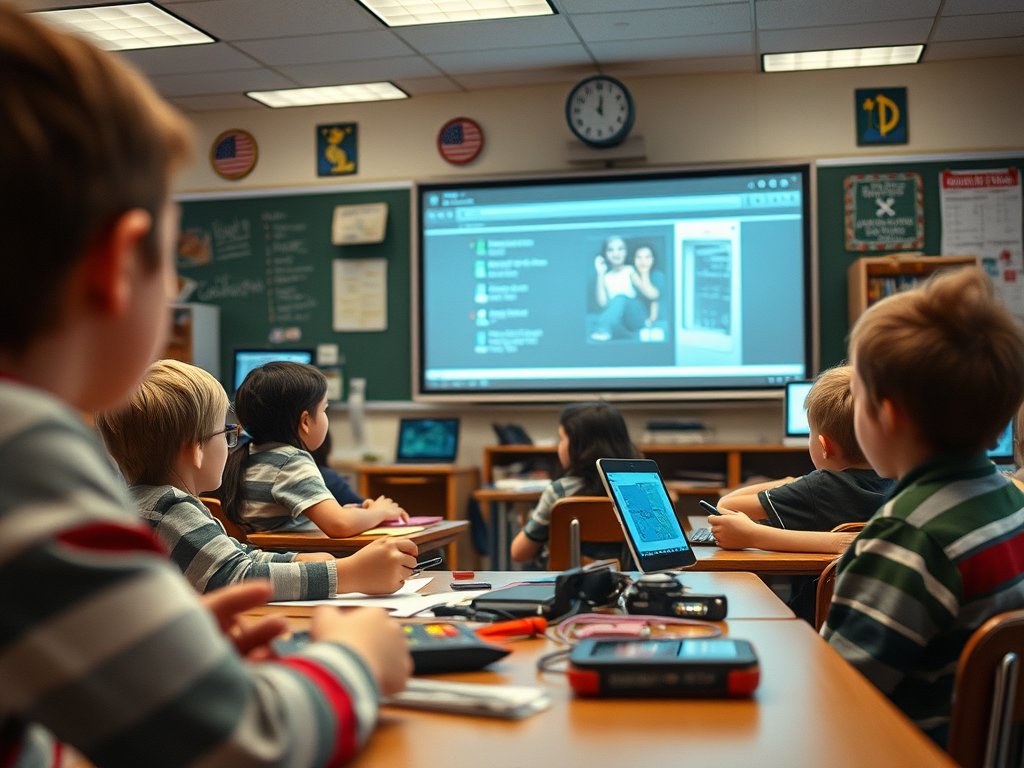
As we incorporate more EdTech into our classrooms, it’s essential to monitor the amount of screen time students are exposed to. Too much screen time can lead to burnout, disengagement, and even a lack of deep thinking. While interactive tools can be incredibly engaging, they shouldn’t come at the expense of other important learning experiences—like hands-on activities, physical movement, or simply spending time with books and paper.
A well-balanced approach involves alternating between screen-based activities and more traditional, unplugged methods of teaching. For example, consider pairing a digital research project with an offline group discussion, or following up a lesson on an interactive whiteboard with a creative, hands-on project.
Reflection Question:
How can you ensure that your students are getting a healthy balance between screen-based learning and other types of instruction?
Teach Digital Citizenship and Mindful Tech Use
In today’s classrooms, students are not just learners—they’re digital citizens. Part of our responsibility as educators is to teach them how to use technology mindfully. That means going beyond just showing them how to use the tools—it’s about teaching them when and why to use them.
By encouraging your students to think critically about the role of technology in their lives, you help them develop the skills they need to navigate a tech-driven world responsibly. This can include discussions about the impact of social media, the importance of digital etiquette, and strategies for managing screen time in their personal lives.
Pro Tip:
Consider setting aside time for reflective conversations about technology. Ask your students questions like, “How does technology help you learn?” or “When do you feel like technology becomes a distraction?” These discussions can help them develop a more thoughtful approach to their own tech use.
Preserve Moments of Human Connection
As much as technology can enhance our teaching, it’s crucial to create space for moments that don’t involve screens or devices. Whether it’s a class discussion, a group activity, or even a simple check-in with your students, these moments of human connection are irreplaceable.
Technology can give us incredible tools, but there’s something about face-to-face interaction that’s foundational to building trust, empathy, and community in the classroom. Let’s make sure we don’t lose sight of that in our rush to embrace the next big thing.
Reflection Question:
How can you create more opportunities for human connection in your classroom, even when technology is a central part of your teaching?
Finding the Balance: Tech as a Tool, Not a Replacement
At the end of the day, it’s all about balance. Technology is a tool—an incredibly powerful one—but it’s still just one part of the larger picture. As we continue to integrate more EdTech into our classrooms, let’s make sure we’re doing it in a way that complements, rather than competes with, the human interactions that make education so impactful.
By being intentional about how and why we use technology, we can create a learning environment that’s enriched by EdTech without losing the personal connections that make teaching so rewarding.


 EdTech Alchemy
Leave a comment